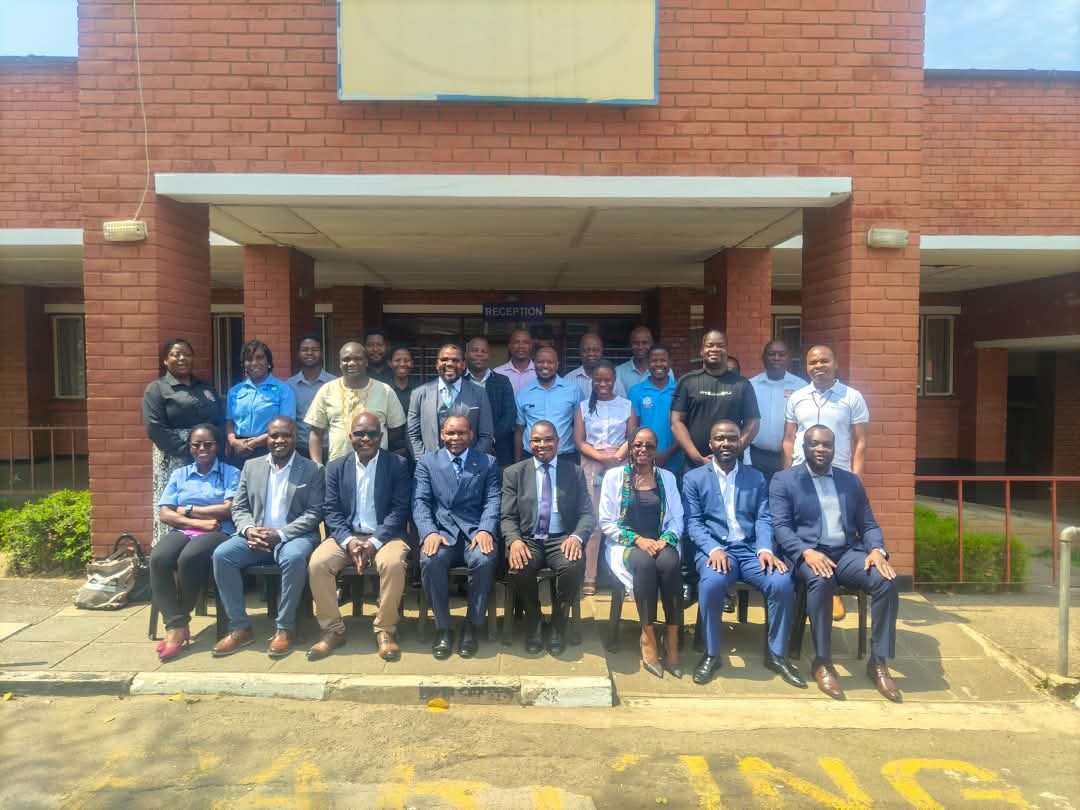
𝐌𝐔𝐒𝐓, 𝐍𝐂𝐇𝐄 𝐭𝐚𝐥𝐤 𝐜𝐨𝐦𝐩𝐞𝐭𝐞𝐧𝐜𝐞-𝐛𝐚𝐬𝐞𝐝 𝐭𝐫𝐚𝐢𝐧𝐢𝐧𝐠, 𝐞𝐧𝐭𝐫𝐞𝐩𝐫𝐞𝐧𝐞𝐮𝐫𝐬𝐡𝐢𝐩 𝐢𝐧 𝐇𝐄𝐈
MUST, through TAGDev 2.0 Program, in collaboration with National Council for Higher Education (NCHE), on October 16, 2026 convened a national dialogue on competence-based training and entrepreneurship in higher education.
MUST, through TAGDev 2.0 Program, in collaboration with National Council for Higher Education (NCHE), on October 16, 2026 convened a national dialogue on competence-based training and entrepreneurship in higher education.
The meeting brought together representatives from public and private higher education institutions to discuss how university curricula can better respond to community needs, graduate employability and job creation.
In his opening remarks, MUST Registrar, Mr Alfred Chinombo, emphasised the need for higher education institutions to produce graduates who are not only academically qualified but also equipped with practical skills to create jobs, innovate and respond to real-world challenges.
He highlighted the importance of ensuring that what universities teach translates into meaningful opportunities for graduates and their communities.
TAGDev 2.0 Program Coordinator, Dr Petros Chigwechokha, reiterated the program’s commitment to entrepreneurship and job creation through its scholarships and systems transformation components.
He noted the importance of equipping students with knowledge and skills to pursue entrepreneurial opportunities while encouraging HEIs to strengthen curricula and systems that support innovation and enterprise development.
NCHE Chief Executive Officer, Dr Ignacio Jimu, underscored the importance of the dialogue to the Council’s mandate of regulating and coordinating higher education in Malawi, with a focus on quality, accessibility and inclusivity.
He described the engagement as a unique opportunity to collectively reflect on how higher education programmes can better address national development priorities.
Dr Jimu also emphasised the value of partnership between NCHE and MUST, noting that academic programmes must respond to the needs of society.
Discussions focused on competence-based training, relevance and quality of higher education, and integration of entrepreneurship into curriculum development.
Participants also shared institutional experiences and explored practical ways of strengthening graduate employability, innovation and responsiveness to changing needs of communities and the labour market.
The dialogue concluded with group discussions and presentations aimed at identifying recommendations for integrating competencies, entrepreneurship and national higher education priorities into curricula.
Through this collaboration, MUST, TAGDev 2.0 and NCHE seek to advance higher education that goes beyond academic qualifications to develop graduates who can apply their knowledge, create employment and contribute to Malawi’s development.