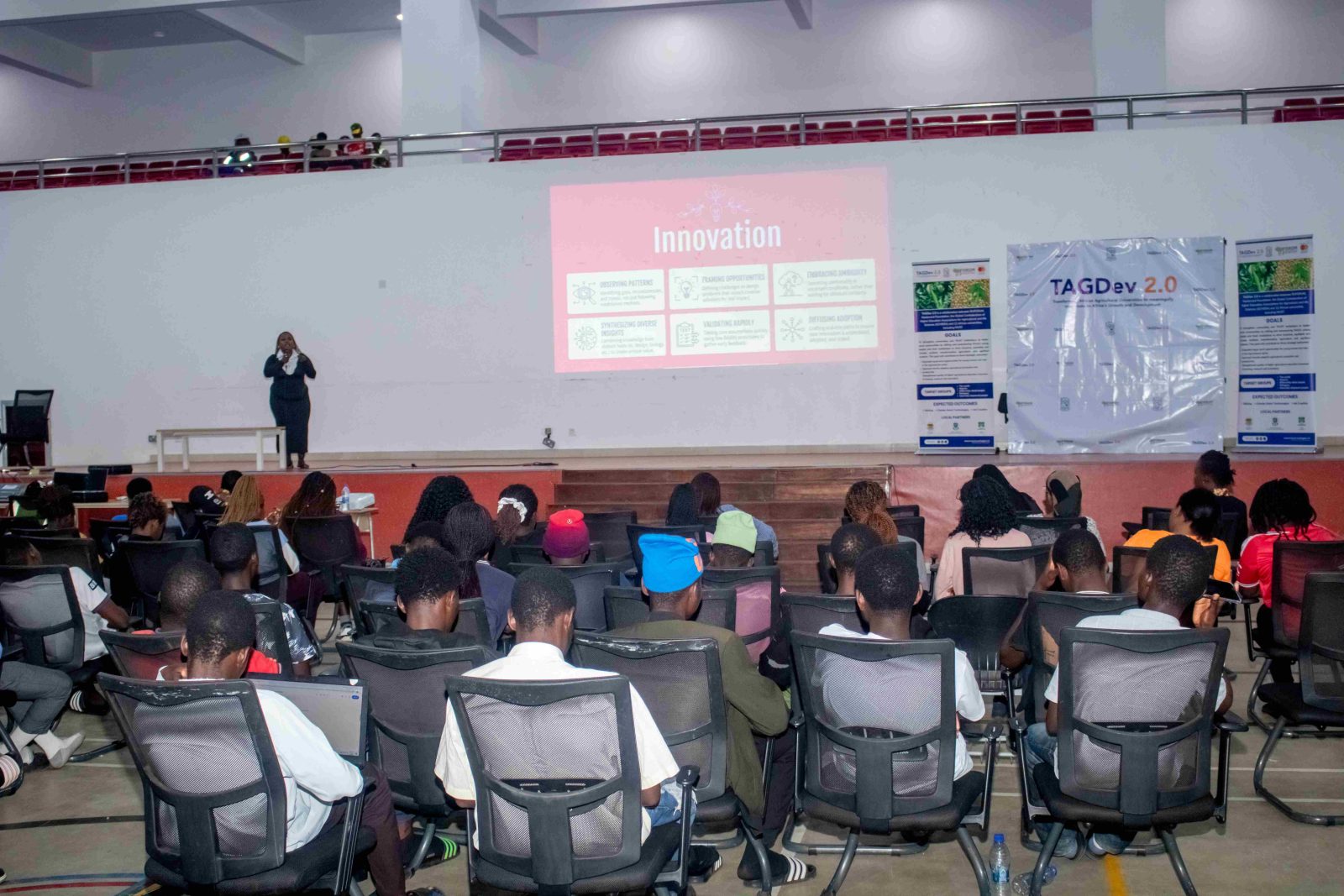
TAGDev 2.0 at the Malawi University of Science and Technology (MUST) is part of a 10-year continental
programme, running from 2023 to 2033, that seeks to strengthen universities and TVET institutions to
better serve communities by skilling and empowering young people for inclusive, equitable and
climate-resilient transformation of agriculture and agri-food systems. The programme is implemented
through a partnership involving RUFORUM, participating African universities, and GCHERA.
At MUST, TAGDev 2.0 builds on the foundation of TAGDev 1.0 and focuses on creating opportunities for
young people from underserved backgrounds to access quality higher education, practical skills, and
entrepreneurship support. The programme places strong emphasis on inclusion, particularly for young
women, refugees, internally displaced persons, and differently abled people, so that more young Africans
can participate meaningfully in social and economic development.
The programme at MUST is implemented through two main components. The first component focuses on
scholarships and system transformation, including undergraduate and postgraduate support for
disadvantaged learners as well as policy and institutional development. The second component is the
Agri-food Systems and Entrepreneurship Centre (ASEC), which promotes agri-preneurship, business
development skills, youth and women-centred enterprise incubation, and climate-smart value chains
such as maize and soybean. Through TAGDev 2.0, MUST is not only supporting students financially, but
also helping to build an enabling environment for innovation, research uptake, entrepreneurship,
and community impact. Recent programme activities at MUST and within Malawi have included policy
development support, training for extension workers, and practical empowerment initiatives aimed at
improving livelihoods and connecting university knowledge to real community needs.
Call for Applications: Agri-Tech Hackathon Challenge
TAGDev 2.0 and Charis Farms are supporting startups with innovative value-added solutions to grow, access markets and become investment-ready, turning agricultural innovations into businesses that create jobs and strengthen Malawi’s food systems.
Discover key initiatives that reflect how the program supports students, communities, and local innovation.
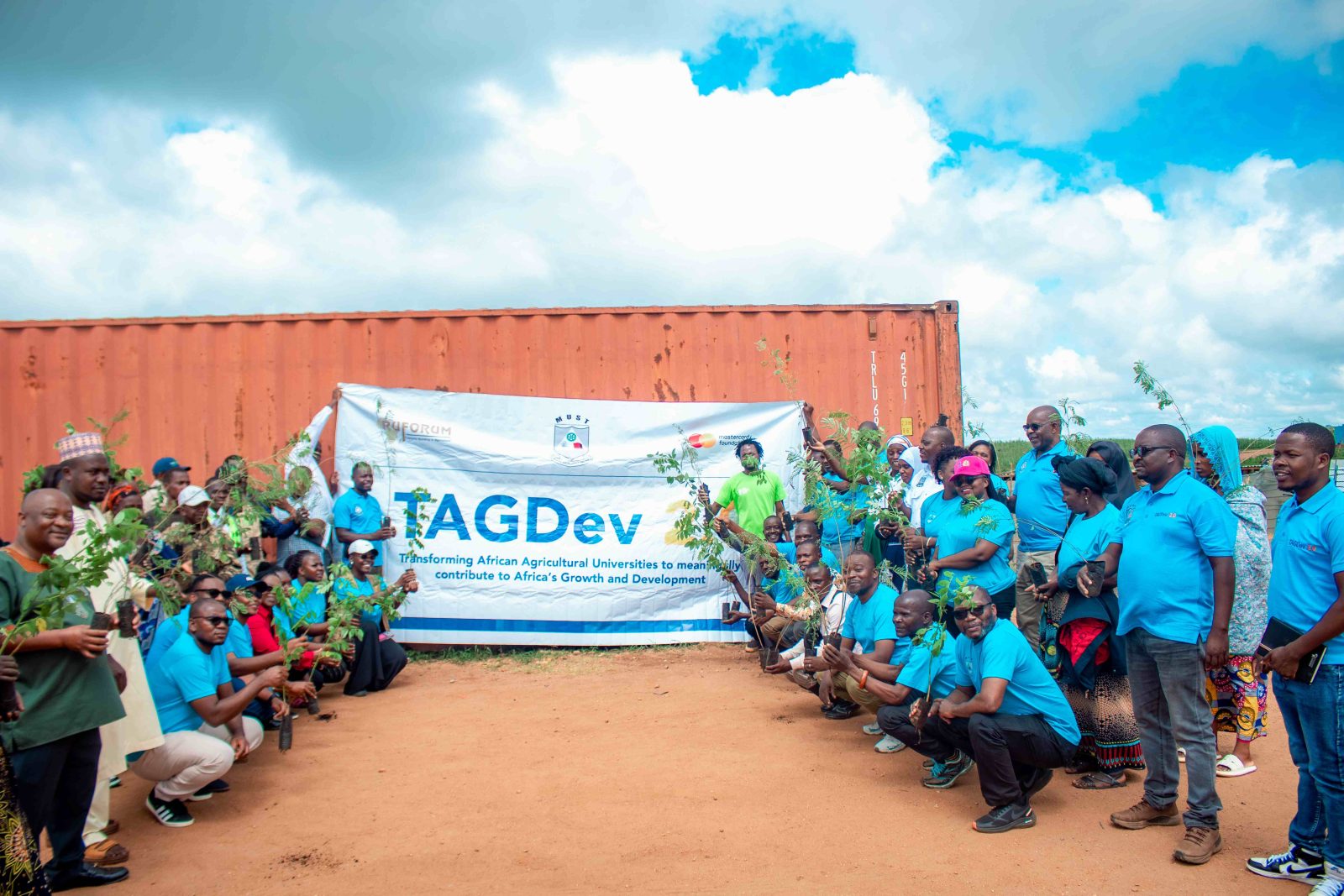
Tree Planting
TAGDev 2.0 conducted a tree planting exercise in Dowa, Dzaleka refugee camp
Enterprise & Job Creation
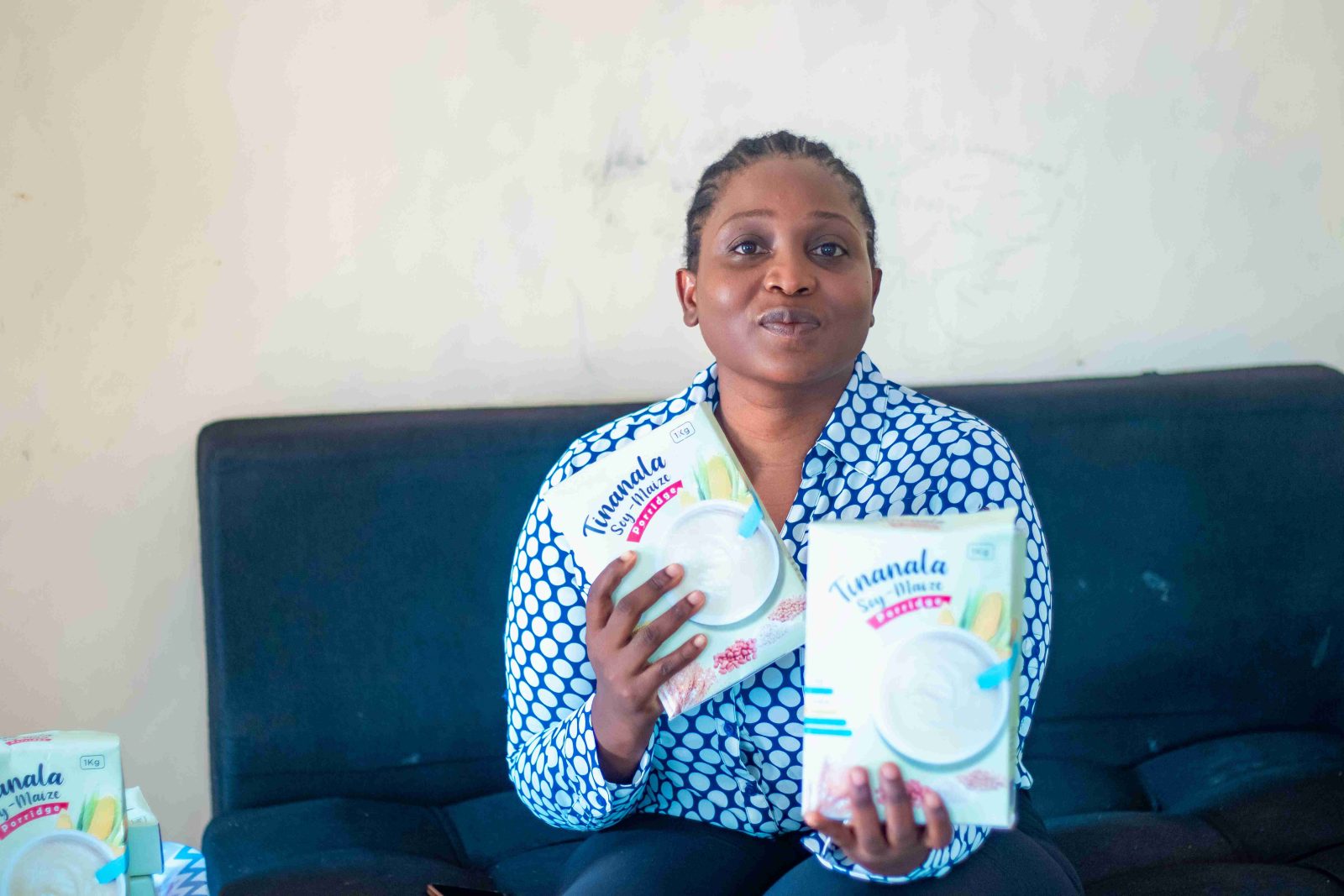
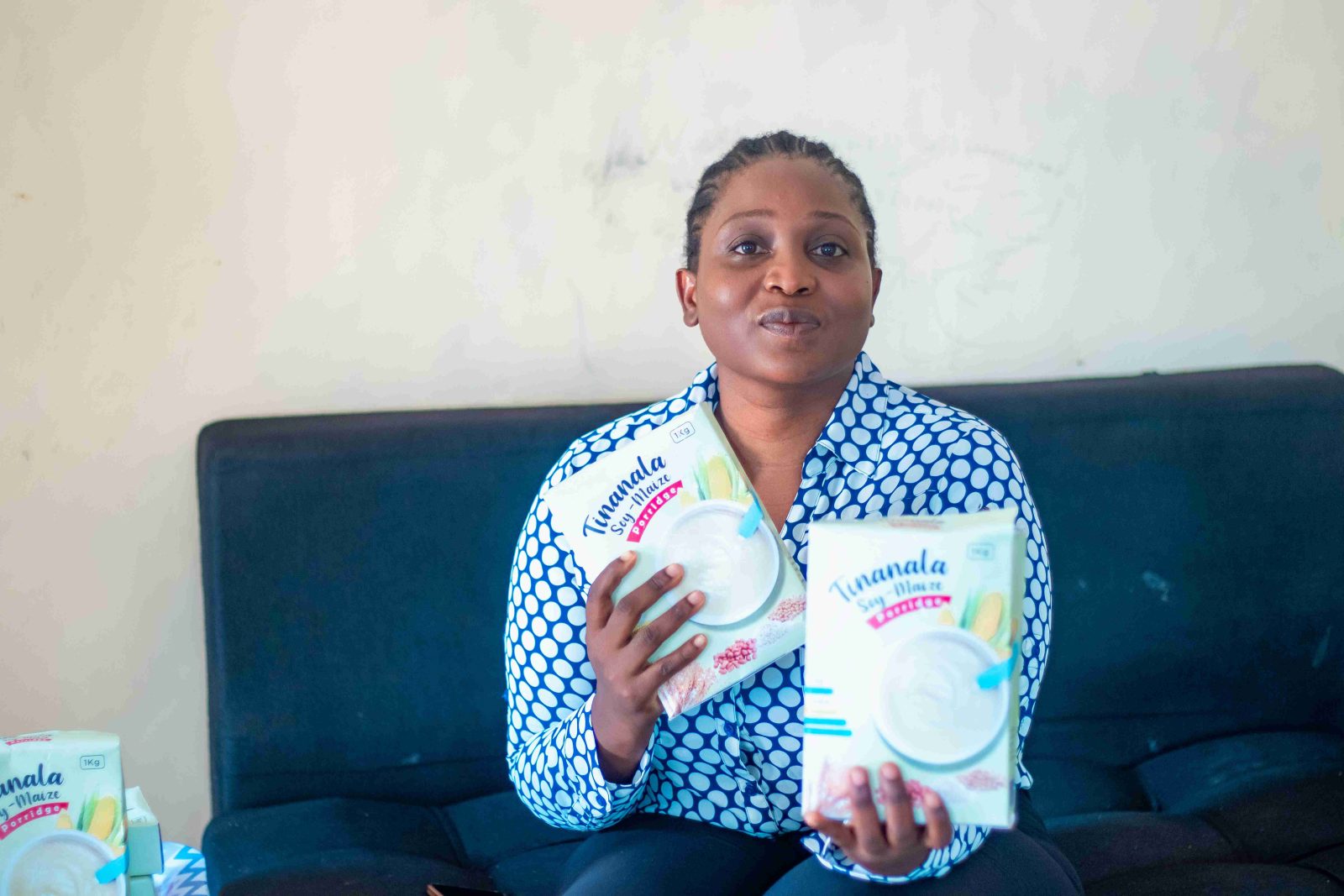
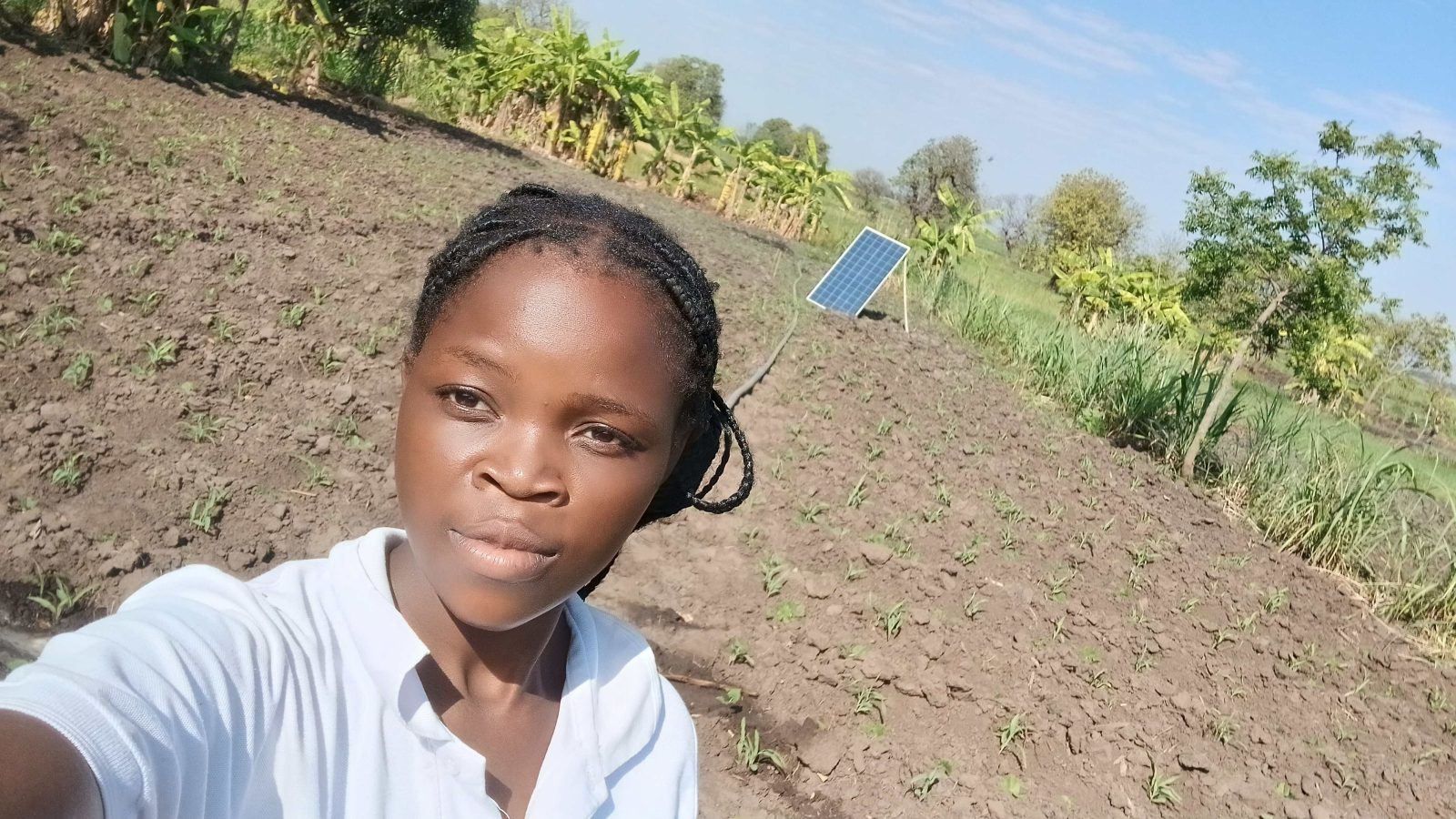
Through the TAGDev 2.0 Agripreneurship Incubation Programme, Chisomo Joshua established a thriving business that supports her family and provides employment opportunities for others.
Academic Scholarships
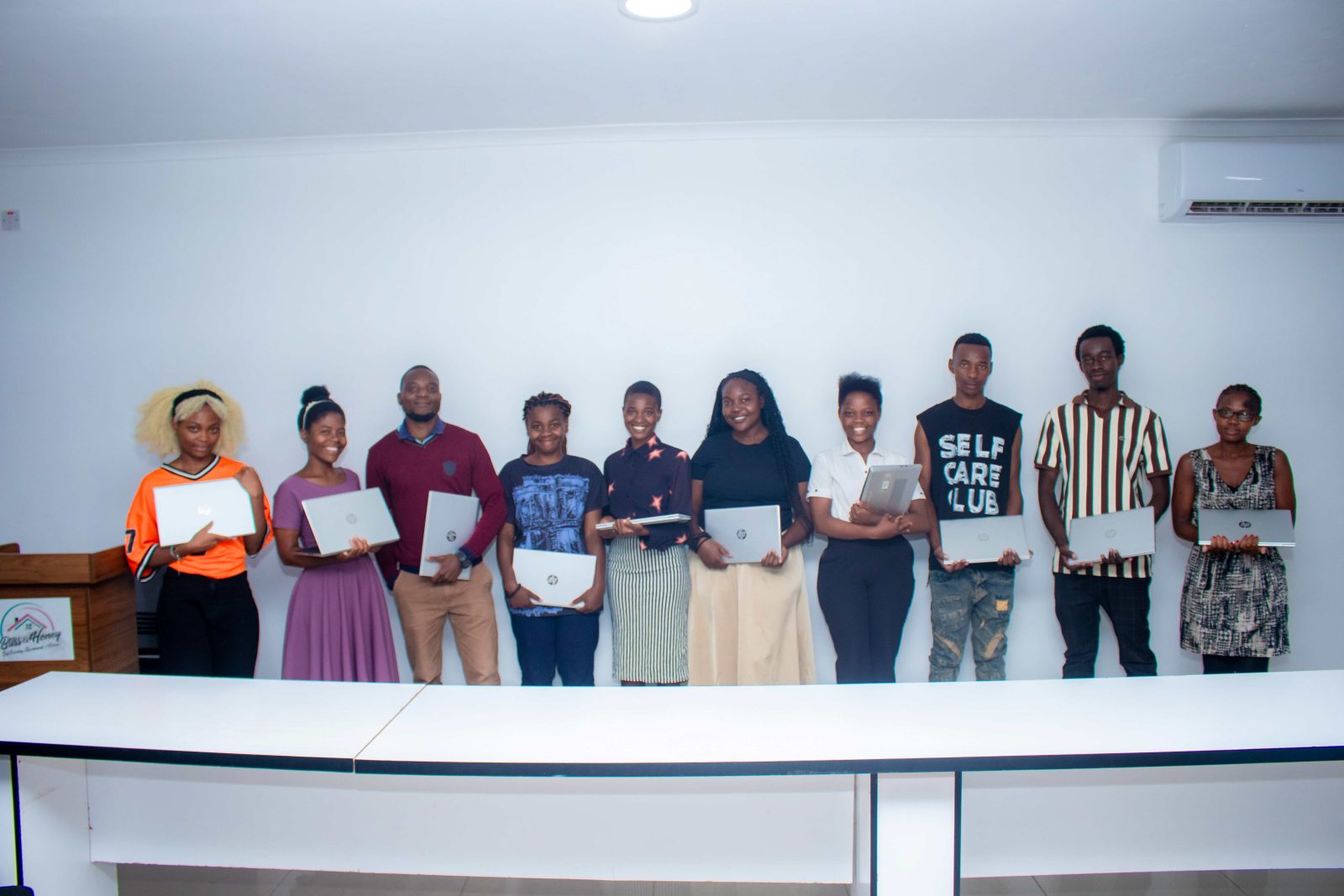
TAGDev 2.0 has enabled many young people to pursue their dreams by providing Bachelor’s and Master’s degree scholarships.
Women Empowerment
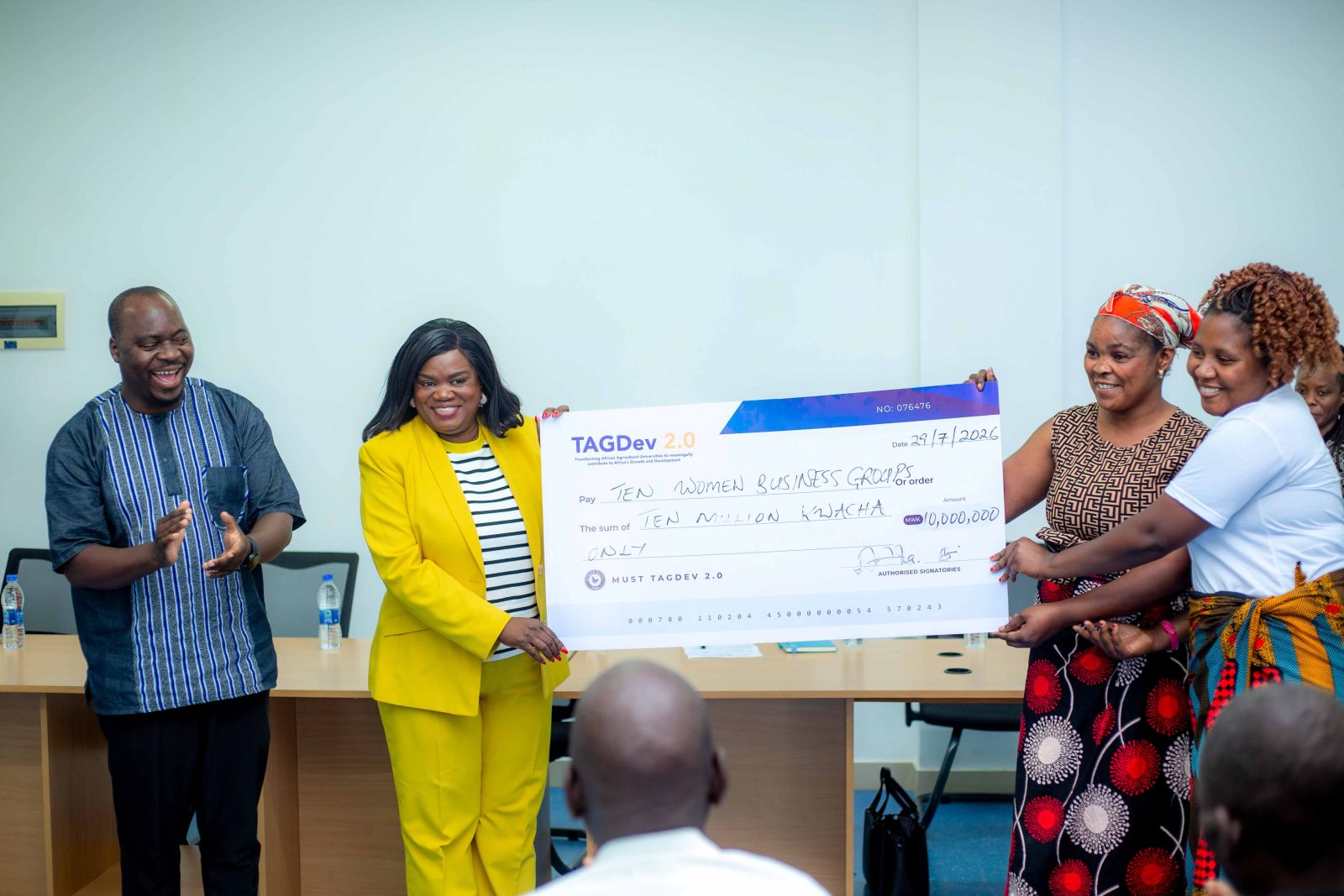
TAGDev 2.0 donated K10 million in seed capital to women-led agrifood business groups around MUST in Thyolo.
Student Spotlight
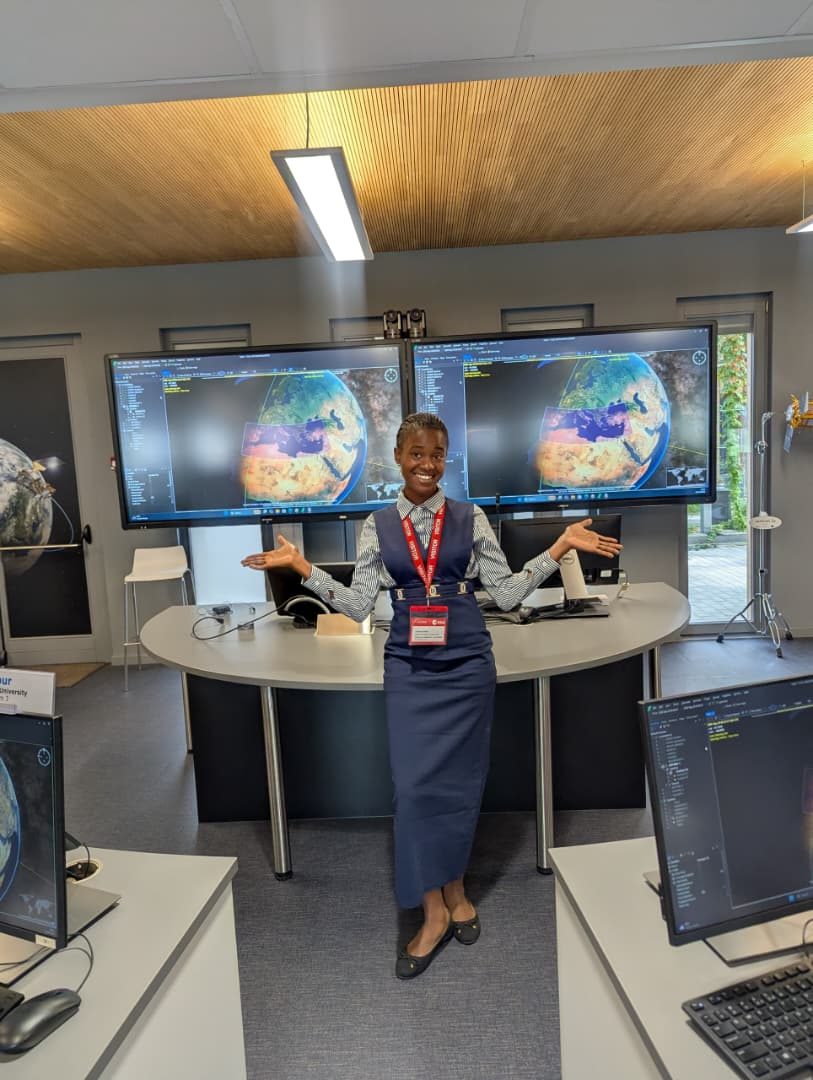
Meet Ms Hope Kafumbu, a second-year BSc in Food Science and Technology student at MUST under the TAGDev 2.0 scholarship. Hope serves as President for the MUST TAGDev 2.0 Students Community as well as Regional Communications, Advocacy and Branding Officer within the TAGDev 2.0 Students Leadership Council.
Hope Kafumbu(MUST TAGDev 2.0 Students' President)
Voice of Impact
“
TAGDev 2.0 gave me the skills and knowledge to turn my ideas into a business. Today, my Soy-Maize porridge business is helping me sustain myself and support my family.
”